Flooring is one of the highest-impact decisions a Florida landlord makes. It affects tenant satisfaction, turnover costs, maintenance frequency, and ultimately the return on your investment. Choose the wrong material and you're replacing floors every few years. Choose the right one and it holds up through multiple tenancies with minimal intervention. This guide is written specifically for Florida rental property owners — single-family homes, duplexes, condos, and multi-unit buildings across the Tampa Bay area.
The Florida Rental Property Challenge
Florida rentals face a specific set of conditions that landlords in other states don't deal with to the same degree. High year-round humidity means moisture is always a factor. Tenant turnover brings cleaning chemicals, moving equipment, and varying levels of care. In coastal markets like Clearwater, St. Petersburg, and Dunedin, salt air adds another layer of wear. And in short-term rental markets, the volume of foot traffic is dramatically higher than a standard long-term lease.
The flooring you choose needs to handle all of this without requiring constant refinishing, replacement, or repair. It also needs to look good enough to photograph well for listings and attract quality tenants who take pride in their space.
Why LVP Is the Standard Choice for Florida Rentals
Luxury vinyl plank (LVP) is one option Florida rental owners often compare because products are available in many wood-look styles and performance categories. Water, scratch, room-use, and maintenance claims vary by product, so the selected manufacturer’s specifications should be reviewed before purchase.
Completed-project cost and service life depend on the selected product, preparation, installation, traffic, cleaning practices, exposure, and tenant use. Compare written product warranties and maintenance instructions instead of assuming a generic lifespan for LVP, carpet, or laminate.
When selecting LVP for a rental, compare the entire specification: wear-layer construction, core, overall thickness, installation method, room approvals, warranty terms, maintenance requirements, and availability of matching material for future repairs. No single specification should be treated as the only measure of suitability.
What About Hardwood in Rental Properties?
Hardwood flooring in a rental property is a nuanced decision. On the positive side, hardwood — particularly in well-maintained condition — can command higher rents and attract tenants who are willing to pay a premium for a quality living environment. In certain Tampa Bay neighborhoods, hardwood floors are a genuine differentiator in a competitive rental market.
The tradeoff is maintenance. Hardwood can be scratched, dented, or damaged, while refinishing and repair options depend on the floor construction and remaining usable wood. If hardwood already exists, have it evaluated before deciding between refinishing and replacement. For a new installation, compare product requirements with the property’s turnover, maintenance, and design priorities.
Engineered hardwood is a middle-ground option worth considering for higher-end rentals. It offers the look and feel of real wood with better moisture resistance than solid hardwood, and it can be refinished once or twice over its lifespan. For a premium long-term rental where you want to justify above-market rent, engineered hardwood can make sense.
Flooring to Avoid in Florida Rentals
Carpet may require more frequent cleaning or replacement in some rentals because it can retain stains, odors, and wear. Its suitability depends on the room, building conditions, tenant profile, maintenance plan, and selected product rather than one universal rule.
Laminate is a common budget choice that tends to disappoint in Florida conditions. Its wood-fiber core swells when exposed to moisture, and once water gets under the seams, the damage is irreversible. In a rental where you can't guarantee tenants will wipe up spills immediately, laminate is a risk that LVP eliminates entirely at a comparable price point.
Practical Tips for Rental Property Flooring
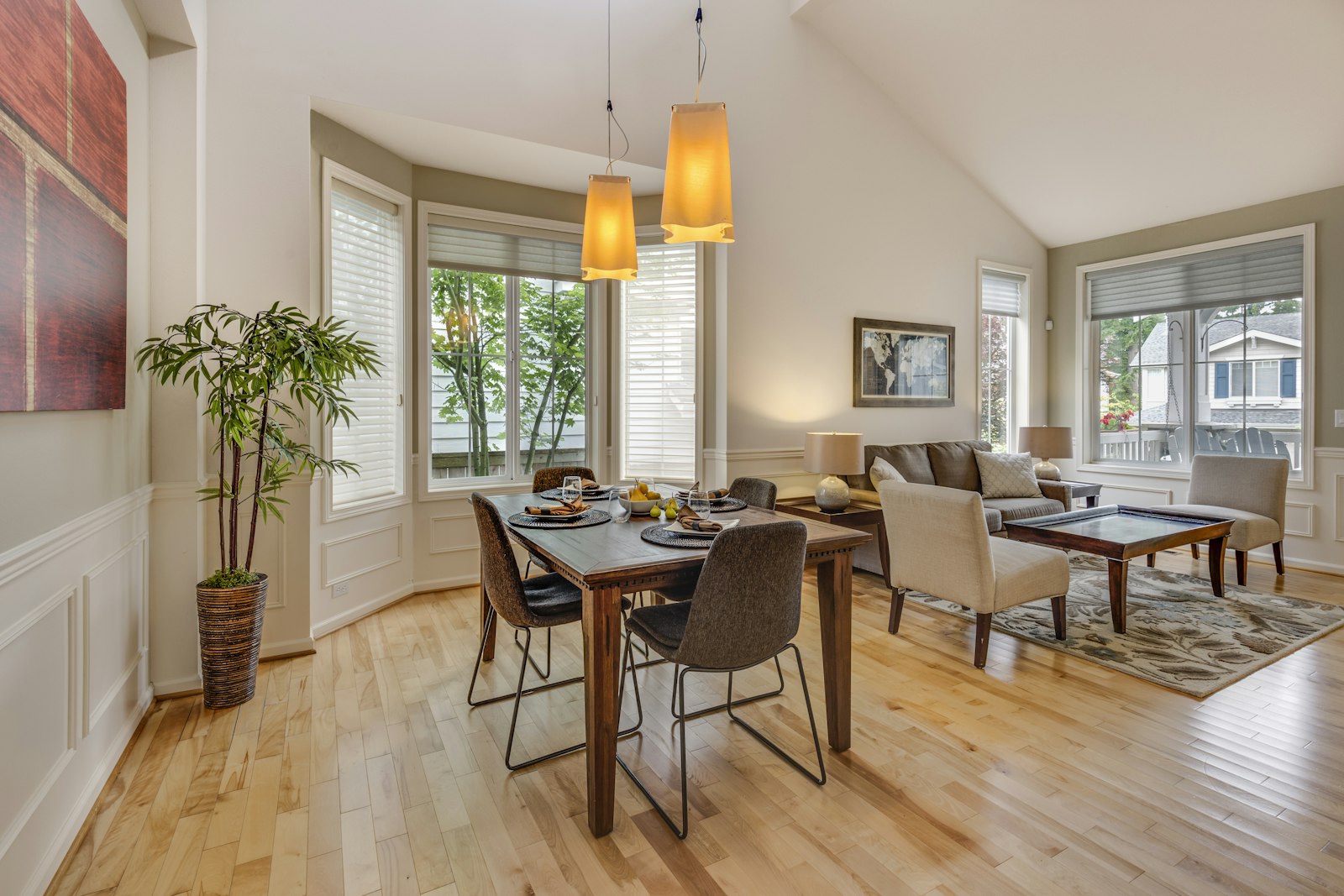
Choose neutral colors. Medium-toned wood-look LVP in gray-brown or warm oak tones photographs well, appeals to the broadest range of tenants, and hides everyday dirt better than very light or very dark options. Avoid trendy colors that may feel dated in a few years.
Install consistently throughout the unit. Running the same flooring through the entire unit — rather than mixing LVP in living areas with tile in bathrooms — creates a cleaner, more cohesive look that photographs better and feels more spacious. It also simplifies repairs, since you'll have matching material on hand.
Don't skip subfloor prep. Cutting corners on subfloor leveling and preparation leads to premature failure of even quality flooring products. A properly prepped subfloor extends the life of your installation significantly and prevents the squeaks, soft spots, and edge-lifting that tenants complain about.
Document the condition at move-in. Photograph the floors thoroughly before each tenancy. This protects you in security deposit disputes and gives you a clear baseline for assessing damage at move-out.
Getting a Quote for Your Rental Property
Frontier Custom Floors works with landlords and property investors throughout the Tampa Bay area. We understand the specific needs of rental properties — durable materials, efficient installation, and honest pricing that makes the numbers work. Whether you're refreshing a single unit or flooring an entire building, contact us for a free estimate.